What bad habits should couples give up before marriage

When it comes to a successful marriage, couples need to be on the same page. They need to agree on important topics, from finances to where they want to live to how they want to raise their family. Along with making these decisions, it’s important to rid yourself of bad habits that could ruin the relationship before it starts. Here are five bad habits that couples should give up before marriage.

1. Keeping Score

It’s all too common for couples to keep track of the good and bad things that each person has done for the other. This could be something as small as who last took out the garbage or as big as how much money each person spends. Keeping score makes it difficult to move forward in a relationship as it creates feelings of resentment and anger. Let go of the need to keep score and just be in the moment with your partner.

2. Having Unrealistic Expectations

No matter how great your relationship is, no one is perfect. It’s important not to expect your partner to fix all of your problems or to always prioritize you over everything else in their life. Everyone has flaws and being able to accept your partner’s flaws is key to having a successful marriage.

3. Holding Onto the Past

The past is just that – the past. Holding onto bad experiences or hurt feelings from previous relationships will keep you from forming a strong bond with your current partner. There’s no need to dwell on the past – leave it behind and focus on building a better future with your partner.

4. Not Communicating

It’s essential for couples to communicate well, both in good times and in bad. This means not stuffing your emotions deep down inside and not refusing to talk about topics that make you both uncomfortable.Instead, be open and honest about how you’re feeling and take the time to talk it out.

5. Not Listening

It’s so important to listen to what your partner has to say. This can be difficult – it’s easy to want to just jump in and talk about your ideas and try to solve the problem. But remember that your partner has thoughts and feelings too, and it’s important to listen and acknowledge how they feel.

Having a successful marriage requires hard work and dedication. Before you tie the knot, it’s important to take the time to understand and give up any bad habits that could hurt your relationship. Focusing on positive communication, acceptance of each other’s flaws, and open listening will help make your marriage a strong and happy one.

The Growing Problem of Married and Addicted People

Marriage is typically thought of as a happy and fulfilling experience, leading to a life of stability and satisfaction. Unfortunately, it can also become an environment of addiction, with damaging and long-lasting consequences. Married and addicted people often feel alone and isolated, as many couples refuse to acknowledge the problem exists or don’t know how to address it. Practitioners and researchers agree that this is something that needs attention and intervention if it is to be properly managed.

Studies have found that married people are twice as likely to abuse substances—including drugs, alcohol and even prescription drugs—than those who are single. The statistics become more alarming when the couple is married and both suffer from addiction, as these individuals are at heightened risk of physical and psychological harm. Withdrawal symptoms, depression, financial issues and relationship difficulties are just some of the problems that can occur as a result of this dynamic.

For these married couples, addiction often serves as an escape from the reality of their circumstances. When family life becomes stressful or complicated, drugs, alcohol, or other substances offer a temporary relief from their problems. And while the short-term effects may seem pleasurable, the long-term effects can be disastrous.

While both married partners may be addicted, the underlying causes can vary. In most cases, one partner will “enable” the other by providing funds, resources, or support that enables the addiction to continue. This can be especially difficult to break, as the enabling partner does not want to be seen as irresponsible or to be responsible for a loved one’s problems.

There are also situations where both the husband and wife are addicted, but in different ways. For example, one may be addicted to alcohol while the other is addicted to gambling. This can create tremendous tension in the relationship, as each partner has different needs and ways to cope which are difficult for the other one to understand.

In addition to the physical and psychological harms associated with addiction, there are social harms as well. Couples who are married and addicted often suffer from public embarrassment and stigma as their behavior is seen as “inappropriate” or “unacceptable”, leading to alienation from family and friends. Even if only one partner is addicted, the behaviors of the addict can weigh heavily on the other partner, and they may feel judged and isolated.

Recovery is possible, and successful interventions are available for married couples who are struggling with addiction. Treatment often begins with a comprehensive assessment of each individual’s mental, physical and familial health, followed by an in-depth exploration of addiction and its causes. During treatment, couples are encouraged to engage in individual and joint therapy sessions, along with activities such as education, skill-building, and lifestyle changes. Additional interventions may include addressing underlying mental health issues, such as anxiety and depression.

Many couples find recovery together, setting a foundation for better romantic relationships. Although addiction cannot be resolved overnight, recovery is always possible. With the right support, married couples- and those in relationships- can gain a better understanding of the addiction and learn new ways to cope and live a life free from its grip.

Signs that your partner is struggling with addiction

When you are dating a partner who is struggling with addiction, it might be difficult for the two of you to be on the same page. One of the major reasons why partners break up is when one of them is addicted, and they find it hard to keep living together.

Some people go to great lengths to hide their addiction and when their spouses find out, it can cause conflicts that can tear the union apart.

Red Wine, Glasses, Log Fire, Red, Wine

Here are some of the signs that your partner might be addicted

Changes in sleep patterns: You can tell if your partner is struggling with addiction when their sleep pattern is beyond normal.

For instance, people who abuse substances are likely to always sleep for long hours. And when they are under the influence of these substances, they can remain awake for a long time.

Poor hygiene/grooming habits: Another sign that your partner is addicted is when they don’t pay good attention to their hygiene unlike before. They are likely to ignore some of the basic self-care habits that should keep them healthy.

Common physical signs: If you want to be sure to a good extent that your partner is addicted, take a look at some of the physical signs, especially on the face and skin. They might have dry and bloodshot eyes, which could be dilated at some point.

Also, they may keep sneezing and sniffling, and some of them might have bloody noses. You may also observe some cuts and scars on their skin, which most of them might try to hide by putting on long sleeve clothes.

Behaving suspiciously and secretively: People who are struggling with addiction are likely to engage in activities that will make them behave suspiciously. They will begin to keep secrets from you concerning their whereabouts, the friends they make, how they spend their money, etc.

Loss of interest in normal hobbies: If you notice that your partner no longer craves their regular pastimes, it might be a sign that they are struggling with addiction. They may begin to pay less attention to things that once mattered to them.

Importance of counseling in treating addiction

If you are struggling with addiction or you know someone who is, getting help for them is quintessential to restoring their sobriety. One of the integral aspects of addiction treatment is counseling.  

Working closely with a counselor in addiction treatment is one of the biggest advantages that anyone could have, as there are a plethora of benefits that come with this.

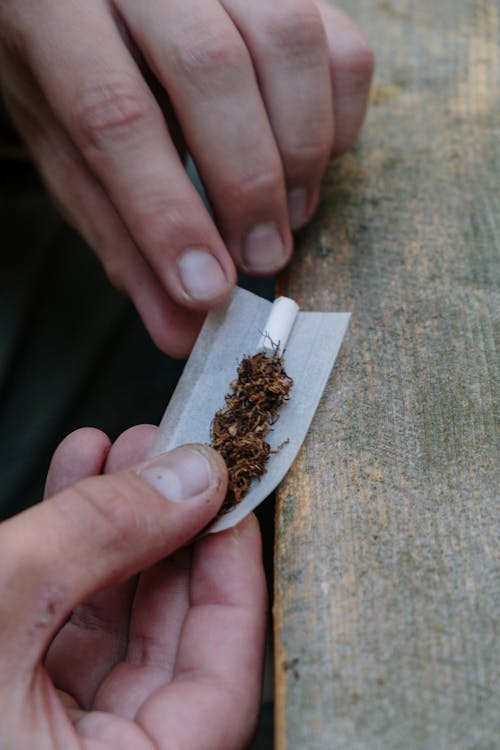
Free Man in Black Shirt Holding Cigarette Stick Stock Photo

Here are some of the benefits of counseling in treating addiction.

Learn more about your addiction

Not every addicted person knows the reason for their addiction. Some of them just discovered that they had a compulsive or obsessive liking for a particular habit, and they have been hooked ever since.

When you know more about your addiction, you will be more motivated to follow through with addiction treatment. The counselor will teach you how addiction develops alongside the cravings and triggers that might keep you addicted if you pay attention to them.

Coping strategies

One of the responsibilities of the counselor is to teach coping strategies that will help you resist triggers that cause addiction.

It is important to mention that coping strategies might not exactly be the same across patients. The counselor helps you to figure out the strategies that you can use to keep addiction at bay.

Support

Some addicts don’t have the needed support that will help them defeat addiction. They might have pending conflicts with their family and friends which will keep both parties away from each other.

The presence of the counselor helps to fill this gap pending when the patient’s loved ones can resolve their problems.

Relapse prevention

When a patient recovers from addiction and they leave rehab, they might feel tempted to go back to their addiction. If there is no proper follow-up system for them, they might resume their addictive habits.

Counseling helps patients to prevent relapse by providing a solid aftercare treatment plan for them. Most times, this aftercare treatment is usually for a very long time until it is certain that the patient cannot relapse again.

Treatment tips for an addicted partner     

One of the most challenging situations that partners in marriage or relationships might face is having to cope with an addicted partner. Sometimes, such relationships end up in separation especially if the addicted partner does not seek treatment.

If you have an addicted partner, here are some treatment tips that can help them become sober again.

Free Person Holding White Rectangular Paper Stock Photo

Reach out for help

Putting up with an addicted partner might be overwhelming and this might prevent you from being effective enough when trying to help them. You can ask for help from trusted family and friends on how to help your addicted partner.

Additionally, you can reach out to your healthcare provider on the best step to take. If you don’t speak to anybody about it, you might be putting your relationship in harm’s way.

Show support

When you discover that your partner is addicted, you don’t have to keep your distance from them. Even though it can be emotionally exhausting, you need to show that you will be there for them.

It is also important for you to have a therapist so that you can talk to when you need additional emotional support.

Learn more about addiction

One of the reasons why partners might not be able to support each other in the event of addiction is that they don’t know what addiction entails.

It is important to know more about addiction cravings, triggers, and other factors that can make someone develop addictive behavior.

Be patient

While you want your partner to change, you need to be patient with the process. It might take some time for your partner to adjust their behaviors as they receive addiction treatment. Therefore, be ready to stay with them until they can fight off addiction and become sober.

Attend counseling sessions with them

Your partner will attend some counseling sessions with their therapist, and you can be present with them. Being around them gives them the impression that you are concerned about their well-being, and it can motivate them to keep pushing through.  

5 REASONS NOT TO DATE AN ADDICTED PERSON

Addiction is a term that means a compulsive psychological need for and use of habit-forming substances. Substance addiction is mostly found in youths and young people generally as there are a lot of factors around to subject them to addiction.

During the addiction process, the addict or the victim is unable to control himself from using the substance except by intervention or by the use of professional help.

Dating an addict comes with its cons which are more than the pros attached. Below are five reasons why you should not consider dating or having an addicted partner:

  1. Prioritization: Relationships are being affected by addiction because the addict will always prioritize his substance over every other thing. With drug addiction in relationships, regardless of the situation or person involved, the priority of the addict substance is greater than any other thing. The destruction that drug addiction causes go a long way as it has an effect on everyone around the victim.
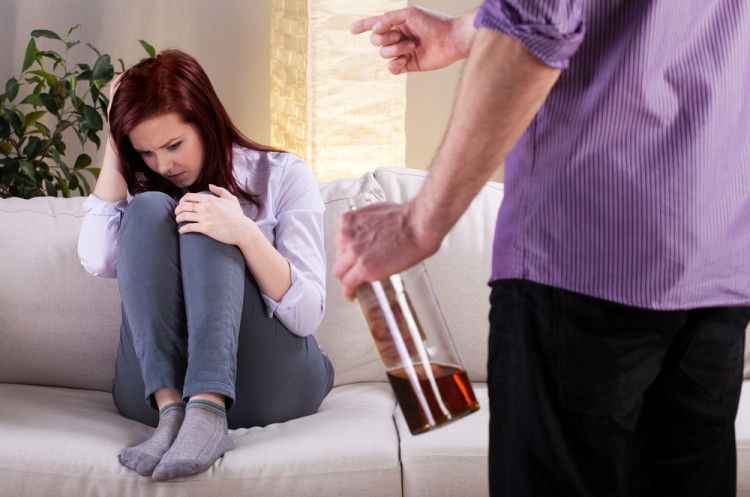
  2. Abuse: The case of abuse cannot be ruled out when it comes to dating an addicted partner. Addicts tend to have mood swings a lot, one minute they are unusually calm, the next they are aggressive, the next they could be really violent. Anyone around them at that period of time tends to be the recipient of whatever emotional phase they are in at that moment.
  3. Trust: This quality is a vital ingredient in relationships and with an addict, it is virtually impossible. An addict would do everything to keep using his substance, ranging from lying to stealing to sneaking around, etc. This act could frustrate the victim’s partner as the individual does not even know how to believe the victim anymore.
  4. Deceptiveness: Addicts are deceptive and manipulative as this is how they fuel their addiction. They tend to play mind games with their partner, anything to keep their addiction going.
  5. Relapse: For addicts that are on a recovery process, one scary part of their process is the relapse. This relapse would put a lot of emotional stress on everyone around the victim including the partner.

Five signs that you are dating an addicted person

Addiction can display several warning signs that are difficult to detect. Living with a substance abuser or addicted person can be a challenging and confusing experience. Often, addictions are difficult to identify at first because they are progressive diseases. 

An innocent, recreational use of drugs can evolve into a problematic and complicated phenomenon. It may become difficult for partners to determine whether they are abusing substances when users hide their addiction. Despite these signs, you can still tell whether you’re dating a drug addict.

Here are five signs you are dating an addict:

  • Their actions don’t align with what they say.

 There is nothing more believable or fascinating than an addict’s story. You want to believe them for the same reason as you like romance and love to flourish. Addicts are, however, inconsistent. While their stories may captivate you, and you may be impressed, the truth is, their actions are inconsistent with their verbal statements. 

  • It’s always a struggle for them financially.

A person in active addiction will always struggle with money despite having a good job and a good salary, despite having a good job and a good salary. Perhaps you have even wondered where their money goes. It could even come to the point that they borrow money from you, and you do not expect that they will repay it. 

  • There are also mood swings. 

Their fun, loving nature is what made you fall in love with them in the first place. Nevertheless, when substance abuse causes their brain chemistry to change, their personality also changes. Mood swings will be extreme. 

  • Families and friends have lost contact with them. 

Families may have problems here and there, but people who are addicted may stop communicating with them. For example, they don’t want their family members to see them doing drugs or drinking if they’ve fallen apart since their addiction. Similarly, other friends who are concerned also feel the same way.

  • They won’t acknowledge that there are problems. 

They have changed their personality, acted mysteriously, and lost money is one of the things that has concerned you. Even so, they will deny that anything is wrong. Whenever you call out their shortcomings or present your concerns, you can start many arguments. 

HOW TO HELP AN ADDICTED PARTNER

Addiction destroys anything it touches, as anyone who has been married or involved with someone addicted knows from experience. Alcohol, illicit drugs such as heroin or cocaine, or prescription drugs like Xanax or OxyContin may be the drugs of choice in marriage.

People who are addicted pick drugs and alcohol before anything else, including their marriages, their partners, and their children.

Those close to the individual who suffers from addiction also feel the impact, such as friends and family. The change in behavioral patterns of the user that the family is not used to also leads to conflicts. Below are some tips for helping an addicted partner;

  • DO NOT LOSE YOURSELF

You do not want to lose yourself in caring for the addict as frustration can set in and you might lash out. It may result in resentment or even a mental breakdown if the addict’s stress is adding to yours. You must take care of your physical and mental health to support this person. You need to sleep well, eat healthy foods, socialize, exercise, anything that helps keep you in good shape.

  • LEARN ABOUT ADDICTION

It may not seem like it, but addiction is a disease – and it’s a family disease, at that. As well as affecting the individual using, addiction can have a domino effect on their families. To understand the condition, you are facing, it is imperative to learn as much about it as possible. You might also consult with an experienced and compassionate treatment specialist.

  • GET THEM HELP.

Instead of condemning their deed, suggest that they seek treatment by educating them about the dangers of their behaviors. Despite all your encouragement, do not be surprised if they refuse to listen to you. But insist that you need to get help immediately and insist that you should get it immediately.

DISADVANTAGES OF MARRYING AN ADDICTED PARTNER

The hallmark symptoms of addiction are cravings for, and attachments to, anything legal or illegal. Drug addictions are commonly caused by substances like alcohol, prescription pills, and illegal drugs. Relationships characterized by trust, respect, and open communication are hard to maintain when one is addicted. 

Addiction affects all areas of a person’s life, including their relationships. Someone dependent on a substance tries to acquire and use the drug as much as possible. In such a scenario, they may overlook responsibilities or neglect the needs of their significant others. Thus, their partner will feel betrayed, hurt and angry. 

Drug addiction can have many negative effects on relationships.

  • ABUSE

When a person becomes addicted to a drug, their personality can change, which can lead to aggression and violence. The problem of addiction can, unfortunately, create an abusive environment in the home-whether verbally, physically, or emotionally. Non-addicted spouses who experience abuse from their spouses should leave the place where they are living, as well as any kids they may have.

  •  DISSERTATION

Substances that are addictive tend to consume the entire attention of an addicted spouse (perhaps not initially, but eventually, this is the case). Consequently, the spouse neglects their obligations at home and work, as well as the needs of their family. A spouse who is addicted may end up jobless and even in financial distress as a result.

Their addiction leads to an increased burden as they shoulder each other’s responsibilities and the spouse. A spouse not living with an addiction who experiences neglect can suffer health and wellbeing issues, as well as financial instability. Anger, resentment, and contempt can often result, and these effects can be difficult to reverse, even after the couple has received professional treatment to deal with the addiction itself.

  • LOSS OF TRUST

Individuals who abuse drugs frequently become secretive about their abuse and tell blatant lies. For a relationship to be healthy, trust is vital. Some may lie about who they were with or what they did on certain days or may steal from family members so they can buy substances.